+91-9718208060
 help@chemistsworld.com
 Download App
 Track Order
 Help Center
 Signup

 UPLOAD PRESCRIPTION

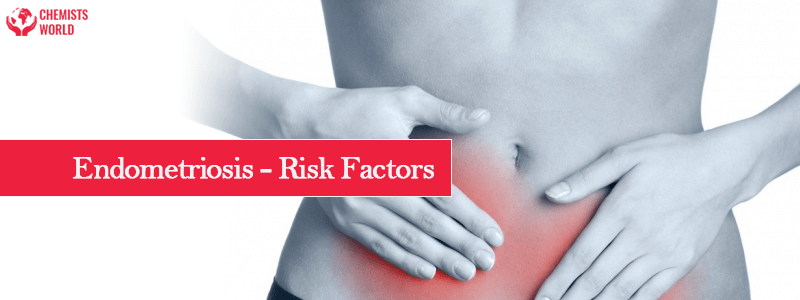
Endometriosis is the unnatural growth of endometrial cells, similar to those forming inside the uterus, but these endometrial cells form at a location outside of the uterus. Endometriosis is generally found in the other organs of the pelvis. However, the underlying cause of Endometriosis is not yet identified. It is generally observed in women who experience infertility, but the condition does not essentially lead towards infertility. Generally, women suffering from endometriosis do not show any kind of symptoms.
But, if they do show certain symptoms, they may include:
The treatment for endometriosis includes surgery and medication for infertility(if pregnancy is desired) and pain relief. Causes associated with Endometriosis As mentioned, the underlying cause of endometriosis is still not yet identified, some of the possible causes may include:
Immune system disorder: There's a possibility that an issue in the functioning of the immune system may make your body unable to find and destroy the endometrial tissue growing outside the uterus.
Surgical scar implantation: After a surgery, like, C-section or hysterectomy, the endometrial cells may get attached to the surgical incision.
Transformation of peritoneal cells: According to the induction theory, experts reveal that immune or hormonal factors may result in the transformation of peritoneal cells(the cells which line the inner side of the abdomen into the endometrial cells.
Risk Factors
Endometriosis generally occurs several years after the start of menopause phase. Symptoms and signs end temporarily when women get pregnant and end permanently with menopause until you are taking estrogen. Treatment for Endometriosis Endometriosis can be treated with surgery and/or medications. The goals of endometriosis treatment can include enhancement of infertility and/or symptom relief. Never ignore any unbearable pelvic/stomach pain during menstruation or normally, get it diagnosed at the earliest.